Seasonal Checklist for Lightweight Hiking Gear in Summer Rain
Summer rain is a different animal from the cold, steady drizzle of October. It arrives warm and sudden, often mid-afternoon, sometimes with twenty minutes of sun on either side. That is exactly what makes it easy to get wrong. You pack for the temperature instead of the water, and by lunchtime a wet pack has doubled the effort of every step. What follows is the checklist worth running through before any summer hike where rain is plausible — not to carry more, but to carry the right few kilos.
Layers: Dress for Warm Water, Not Cold Air
The standard mistake in summer rain is dressing for November. A heavy waterproof shell with a warm lining will have you sweating within ten minutes of the first climb, and sweat soaks a base layer just as thoroughly as rain does. You want a thin, adjustable system you can change every twenty minutes without stopping for long.
The shell
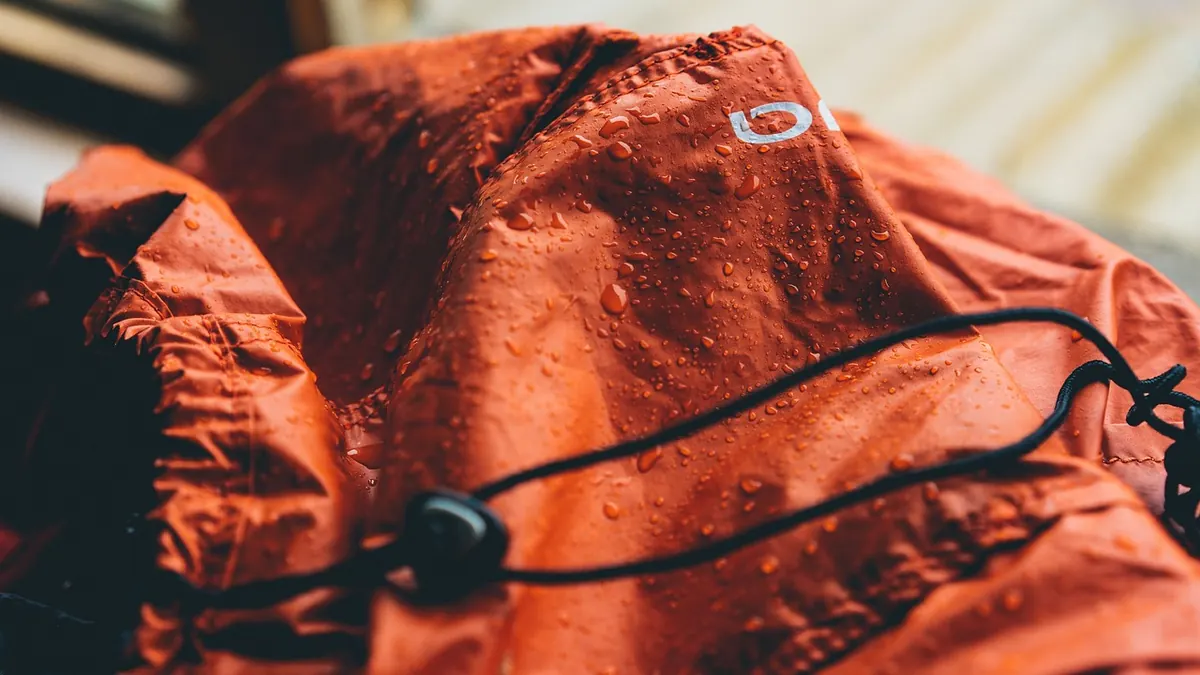
Choose a lightweight waterproof jacket with taped seams, a hood with a stiffened brim, and pit zips you will actually open. A poncho is lighter and cheaper, but it flaps, catches wind on exposed ridges, and leaves your arms and thighs exposed to sideways rain. The hood matters more than the fabric spec: if it collapses over your eyes, you will walk with it down and get wet anyway. A cap worn under the hood keeps rain off your face and stops the brim from sticking to your forehead.
Under the shell
One thin synthetic or merino tee, one light grid fleece or similar hooded mid layer around the weight of a couple of apples, and that is usually enough. Cotton stays wet and pulls heat out of you on any shaded descent, so leave the cotton tee at home. Pack one complete dry set — tee, socks, underwear — sealed in its own bag and never opened until camp.
Legs and feet
Quick-drying shorts do most of the work in summer rain. Add a light over-trouser that pulls on over your shoes at the top of an exposed pass, and skip the heavy full-zip mountaineering pair unless the forecast shows hours of sustained rain. Waterproof-lined shoes sound sensible and often are not: once water comes over the collar, a membrane holds it in. Breathable mesh trail runners drain and dry faster, and a dry pair of wool socks waiting in the pack feels like a small luxury.
Dry Bags: Separate Protection From the Pack Cover
A pack cover keeps rain off the fabric. A liner keeps it off your gear. They do different jobs, and the liner is the one that saves the trip. Line the pack with a roll-top dry bag or a taped-seam pack liner, then organize inside it.
- Sleep system bag: quilt or sleeping bag, and anything else that must not get damp.
- Clothing bag: the dry set, spare socks, and a warm hat for the evening.
- Small bag: phone, headlamp, map, and the one dry cloth you will use to wipe your hands before handling any of them.
Test each bag before the season starts by sealing it, squeezing it, and listening for leaking air. Wet gear goes outside the liner, in a mesh pocket or strapped under the lid, so the inside stays clean and dry. Zip-top bags still work for maps and paperwork, but the seals weaken with folding, so replace them each spring. A phone in a pouch you can operate through the plastic stays accessible on the shoulder strap instead of buried at the bottom.
Traction: Wet Roots, Greasy Rock, Mud
Summer rain changes surfaces more than it changes temperature. Roots and wooden bridges turn slick, limestone polishes up, and the middle of a well-used trail becomes a shallow stream. Good rubber matters more than deep lugs here; a sticky compound on wet rock beats an aggressive mud pattern that skates across slabs.
Carry trekking poles, one or two, and actually use them on descents where wet roots are hiding under leaves. Carbide tips bite into rock and dirt; swap to rubber tips for stretches of smooth slab or road. Mud baskets are only worth it if the route crosses soft ground, and there is no reason to carry winter traction in July.
Adjust your footwork too. Shorten your stride, place weight over the whole foot rather than the heel, and walk the gravel and duff at the trail edge when the centre is running with water. Crossing a stream? Unclip your hip belt, loosen shoulder straps, and look for a wider line rather than a shallower one.
The Small Essentials That Earn Their Weight
These are the things people leave behind and then wish for at 3 p.m. on a wet saddle. None is heavy on its own; together they add up to less than a full water bottle.
- A small pack towel for drying hands, glasses, and the inside of the tent.
- A lightweight sit pad, so lunch does not mean sitting on soaked ground.
- Low gaiters or ankle gaiters against mud, grass seeds, and water running down your legs.
- A blister kit with tape you trust, plus a spare pair of thin liner socks.
- Headlamp, whistle, and a compact emergency shelter, even on a day hike.
- Lighter and a small backup fire starter, because wet wood is the whole problem.
- Repair tape, a couple of metres of cord, and a spare buckle.
- Sun protection and insect repellent, which remain relevant between showers.
Warm rain still chills. Wind on a wet shirt pulls heat out quickly, so if someone starts shivering or fumbling with zips, get out of the wind, add a dry layer, eat something, and keep moving gently. That is basic trip management rather than medical advice; if a person is confused or getting worse, treat it as an emergency and get help.
What to Leave at Home
The lightest item is the one you never packed. Skip the second spare shirt, the heavy camera bag, the bulky waterproof trousers for a two-hour shower, and any cotton garment at all. Do not rely on a pack cover as your only water defence, and do not bring winter traction out of habit. If your base weight creeps past what you carried comfortably on a dry trip, something in the bag is earning its place only in your imagination.
The Night-Before Check
- Read the forecast for the hours you will actually be out, not just the daily summary.
- Fill the liner, close it, and confirm nothing pokes through the fabric.
- Check the shell's seams and zips, and re-waterproof the outer fabric if it wets out quickly.
- Confirm boots or shoes are dry inside and laces are sound.
- Set poles to your length and check the locks hold under weight.
- Download the map for offline use and put the phone in its pouch.
- Stage the dry set, towel, and headlamp where you cannot forget them.
Weigh the pack once, fully loaded, before you go to bed. If it feels heavier than expected, you still have time to take something out.
Keep It Light, Keep It Dry
Rain in summer rarely demands more gear; it demands better choices. One good shell, a liner plus two small dry bags, poles you use without thinking, and a handful of small items will cover most of what a warm downpour throws at you. Pack the night before, keep the dry set sealed, and accept that your feet will get wet — the trip gets much simpler once you stop fighting that. Then walk out, and enjoy the part that almost nobody plans for: the trail after rain, quiet and sharp-smelling, with the whole afternoon to yourself.
Photo: StockSnap / Pixabay